

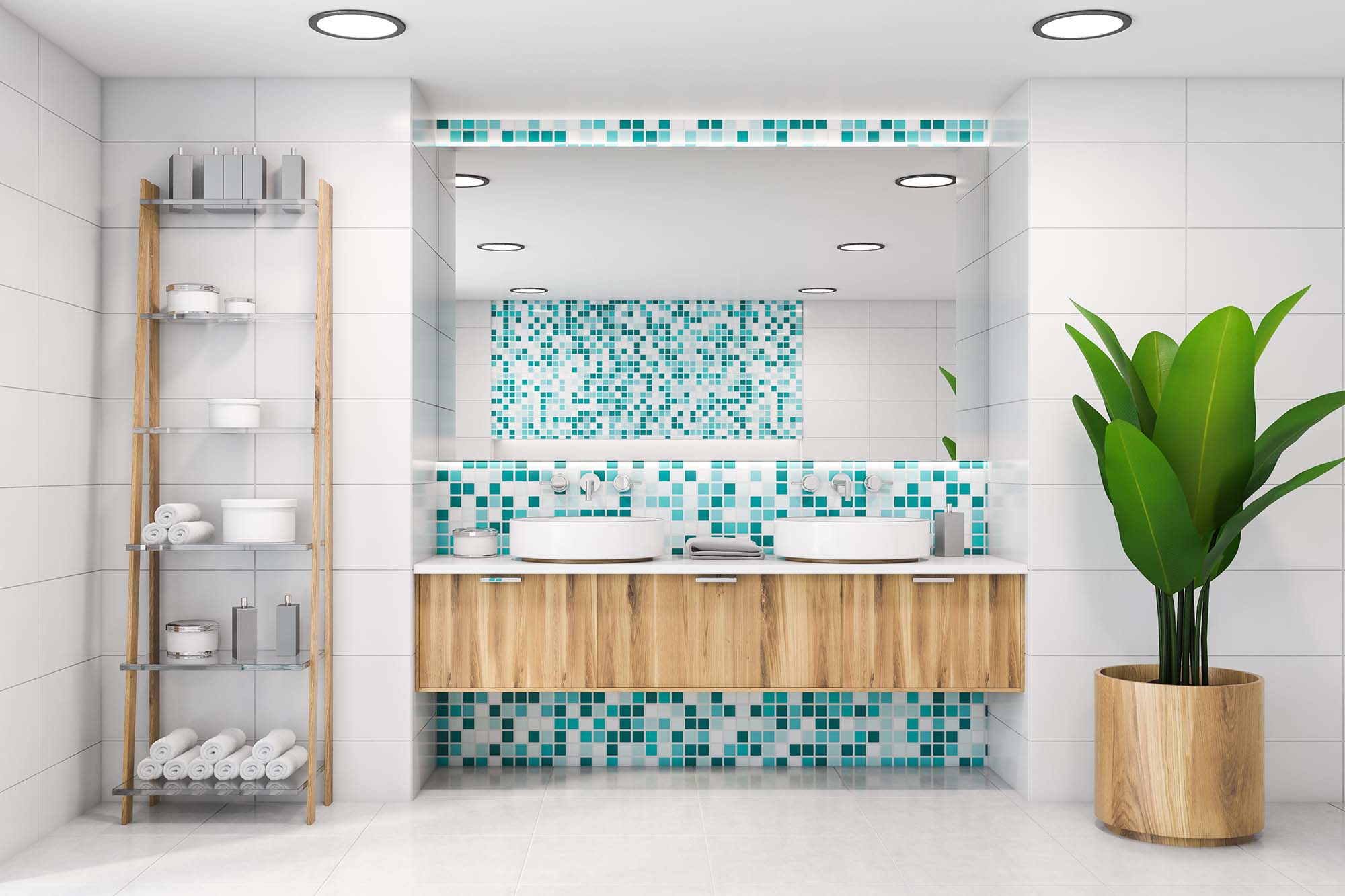
A bathroom does not need an elaborate renovation to feel more distinctive. Sometimes, the most effective design feature is a recessed shower niche, a carefully positioned shelf, or a narrow strip of color that gives a simple wall a more finished appearance. Glass tile can be especially effective in these details because its range of colors, finishes, and reflective qualities allows homeowners to introduce personality without covering every surface in a bold pattern.
For homeowners in Flower Mound, TX, planning a bathroom update, a glass tile shower niche offers a practical way to combine storage with visual interest. The key is to plan the feature around the shower's dimensions, the surrounding tile, lighting, grout, and waterproofing system so that the finished detail looks intentional and performs as required.
Why a Shower Niche Can Become a Focal Point
A shower niche provides recessed storage for shampoo, conditioner, soap, and other bathing essentials. Because it occupies a defined section of the wall, it can also create a natural location for a decorative accent.
One approach is to use a neutral tile across the main shower walls and introduce glass tile inside the niche. The difference in color or finish can distinguish the shelf from the surrounding surface while keeping the overall bathroom calm. Soft blue, muted green, pearl, gray, or deeper jewel tones may provide contrast depending on the room's palette.
Another approach is to coordinate the niche with a narrow accent band on the shower wall. This can connect the recessed feature to the rest of the design and make the layout feel more deliberate. The accent should be planned around the tile dimensions, plumbing fixtures, and grout joints to avoid awkward interruptions.
Explore the available styles through the glass tile collection at Design Floors to compare colors, patterns, and finishes for your bathroom project.
Choose Glass Tile That Complements the Main Wall Tile
The most successful accent designs usually begin with a clear relationship between the main tile and the glass. Rather than selecting a niche accent in isolation, consider the undertones of the shower walls, bathroom floor, vanity, countertop, and hardware.
For a relaxed, spa-inspired atmosphere, pale blue or green glass can complement light neutral tile and natural-looking finishes. A more dramatic bathroom may benefit from deeper blue, charcoal, or emerald tones against a lighter background. Warm metallic-inspired glass can coordinate with selected brass or bronze finishes, while cooler colors may complement chrome or brushed nickel.
These combinations are starting points rather than strict rules. The goal is to create a design that feels balanced when viewed as a whole. If the floor already contains a prominent pattern, a quieter niche may provide enough visual interest. If the surrounding surfaces are simple, the niche can carry more of the room's personality.
Consider the size of the feature as well. A small niche may look best with a compact mosaic or a carefully selected accent tile, while a larger recessed shelf may allow a more continuous pattern. The dimensions should be established before finalizing the tile arrangement.
Understand How Glass Tile Responds to Light
Glass tile interacts with light differently from many opaque surfaces. Depending on the product's color, finish, transparency, and backing, it may appear brighter or more dimensional when light reaches it. This quality can make a niche stand out, but it also means that lighting should be part of the selection process.
A niche on a wall near a window may appear different from one positioned beneath an overhead shower fixture. Vanity lights, recessed fixtures, and the direction of natural daylight can all influence how the glass looks. A color that appears understated in a showroom may become more prominent in a brightly lit bathroom.
Whenever possible, compare samples under more than one lighting condition. Place them beside the proposed wall tile and view them with the intended countertop and hardware finishes. Think about whether the niche should blend into the shower or act as a small focal point.
Reflective surfaces can contribute to a sense of visual depth, but they do not automatically make every small bathroom appear larger. The result depends on the room's proportions, the amount of light, the color palette, and where the glass is installed.
Plan the Niche Dimensions Before Choosing the Pattern
The size and location of a shower niche should be considered early in the renovation. Its width, height, and depth affect how the glass tile can be arranged and whether the finished pattern will appear balanced. Planning ahead also helps coordinate the niche with wall framing, plumbing, and the surrounding tile layout.
Small mosaic sheets may provide flexibility around corners and edges, while larger pieces may create a cleaner appearance if the dimensions allow them to fit appropriately. The best format depends on the specific product, the niche size, and the desired design.
Pay attention to the tile cuts and exposed edges. The installer should plan the layout so that the finished edges are handled using a method suitable for the selected product. The interior surfaces should also be arranged so that cuts look deliberate rather than like last-minute adjustments.
Grout joint alignment can make a noticeable difference. When possible, coordinate the niche with the surrounding tile pattern so that the feature appears integrated into the wall. A contrasting accent can still look cohesive when its edges and proportions are carefully planned.
Waterproofing Comes Before Decorative Details
A shower niche is exposed to repeated water contact, which makes the construction behind the tile essential. Glass tile should be installed over a suitable substrate using setting materials compatible with the specific product and wet-area application.
The shower's waterproofing system must be properly integrated with the niche according to the system manufacturer's instructions. The shelf and surrounding surfaces should also be constructed correctly to manage water. Tile and grout alone should not be relied upon to make a shower waterproof.
Glass tile can have specific installation requirements because some products allow the setting material or substrate to influence the appearance of the finished surface. Compatible adhesive color, consistent coverage, and proper preparation may be particularly important for transparent or translucent designs.
Before installation, confirm the manufacturer's recommendations and use an installer familiar with the selected glass tile. These steps help ensure that the decorative feature is planned as part of a complete shower assembly rather than treated as a surface-only upgrade.
Select Grout That Supports the Design
Grout can change the appearance of a glass tile niche. A closely matched color can make the surface look more continuous, while a contrasting shade can emphasize the individual pieces and create a more graphic effect.
For a subtle design, choose a grout color that complements the glass without competing with it. If the glass includes several colors, a neutral grout may help connect the different tones. For a geometric mosaic, a stronger contrast may make the pattern more visible, although it will also make the joints a more prominent part of the design.
Grout selection must also account for compatibility, joint width, moisture exposure, and maintenance. Not every grout is appropriate for every glass tile product. Follow the product instructions and use cleaning solutions recommended for the installed materials.
Three Design Directions for a Glass Tile Niche
The quiet accent: Pair simple neutral shower walls with a niche finished in pale blue, soft green, or another muted glass color. Keep the grout understated and repeat the accent in a small accessory or towel. This creates a coordinated detail without making the entire bathroom feel busy.
The architectural line: Use a narrow glass tile band that aligns with the niche or another horizontal feature. A consistent line can help organize the wall and connect separate elements. Careful planning is essential to prevent the band from ending awkwardly around corners or fixtures.
The jewel-box feature: Choose a deeper glass color inside the niche and keep the surrounding tile relatively simple. This makes the recessed shelf a focal point and works particularly well when the bathroom has restrained cabinetry and hardware.
Coordinate the Niche With the Vanity and Floor
The niche should relate to the bathroom's other surfaces. A patterned floor may call for a more restrained glass accent, while a simple floor can provide room for a more expressive design. The vanity countertop, cabinetry, and hardware can help connect the colors and finishes.
For example, a muted green glass accent may complement natural-looking stone colors and warm wood cabinetry. A blue accent can create a cooler contrast against pale tile and a neutral countertop. The best combination depends on the specific materials and the lighting in the room.
Consider maintenance as well as appearance. Shower surfaces can collect soap residue and mineral deposits, and glass tile may require routine cleaning to preserve its intended look. Use products suitable for the tile and grout, and avoid abrasive methods unless the manufacturer confirms they are safe.
Common Mistakes to Avoid With Glass Tile Niches
One mistake is choosing a decorative accent without considering the surrounding materials. A bold floor, heavily patterned wall tile, elaborate countertop, and colorful niche can compete for attention. Decide which feature should be most prominent and let the remaining surfaces support it.
Another mistake is overlooking the tile's transparency or installation requirements. Some glass products may reveal imperfections behind the surface, making proper preparation and compatible setting materials especially important. Always follow the manufacturer's guidance.
It is also unwise to leave niche placement until the tile installation is underway. Late decisions can create awkward cuts or misaligned grout joints. Establishing the size, position, and accent pattern early helps the feature look intentional.
Give Your Bathroom a Thoughtful Finishing Detail
A glass tile shower niche can bring color, texture, and personality to a bathroom without requiring a dramatic design throughout the entire room. When its dimensions, lighting, grout, and surrounding materials are carefully considered, the feature can provide both useful storage and a distinctive visual detail.
Homeowners in Flower Mound, Highland Village, Coppell, Argyle, and Lewisville, TX, can begin exploring options through the glass tile collection at Design Floors. To discuss your bathroom renovation and the materials you are considering, contact Design Floors. With thoughtful planning and suitable installation materials, a small niche can make a meaningful contribution to the finished bathroom.


