

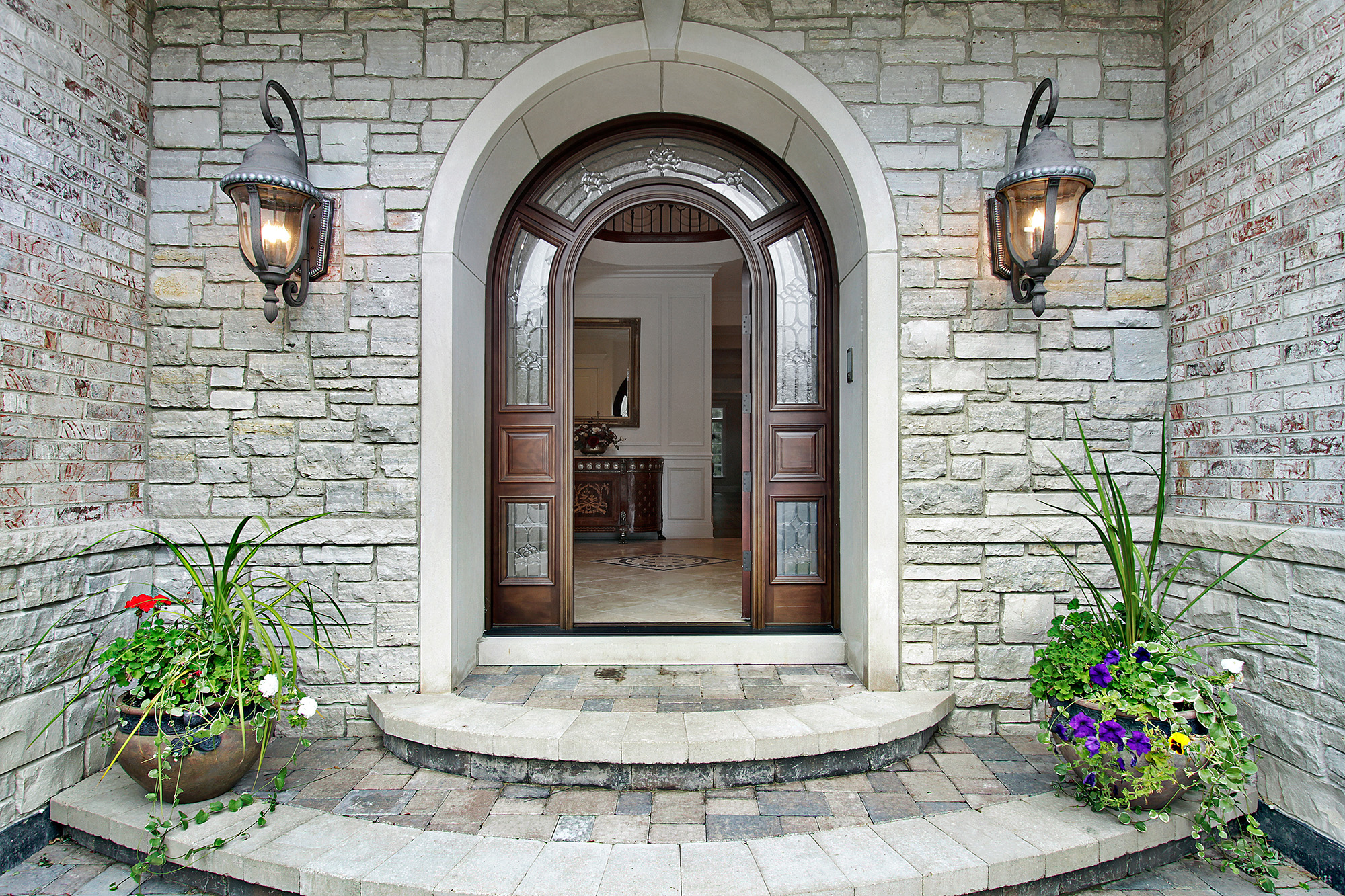
The entryway is one of the first parts of a home people experience, yet it often has to perform several jobs at once. It welcomes guests, connects the outdoors to the interior, receives shoes and bags, and handles the dust and moisture that come through the front door. Natural stone flooring can give this hardworking area a distinctive appearance while introducing the texture and variation that make natural materials so appealing.
For homeowners in Flower Mound, TX, a natural stone entryway can establish the design direction for the rest of the home. Whether the goal is a classic foyer, a warm transitional interior, or a more contemporary entrance, the stone's color, surface finish, pattern, and layout can help create a welcoming first impression.
Why Natural Stone Makes a Strong Entryway Feature
Natural stone is formed through geological processes, so its color and pattern are not always perfectly uniform. Variations in veining, mineral content, texture, and tone give each selection its own visual character. This natural variation can make an entryway feel distinctive without relying on elaborate decorative features.
Stone can complement a range of interior styles. A lighter stone may create a bright, understated entrance, while a deeper or more varied material can introduce contrast against pale walls and cabinetry. Depending on the stone and finish, the floor may feel traditional, rustic, contemporary, or somewhere in between.
Natural stone is not one single material with identical performance characteristics. Different stone types vary in porosity, hardness, maintenance needs, and suitability for particular applications. Before selecting a product for an entryway, review its specifications and confirm that it is appropriate for the expected traffic and exposure to moisture.
Explore the available materials through the natural stone selection at Design Floors to begin comparing colors, patterns, and finishes for your foyer or entrance.
Choose a Stone That Fits Your Household
The right natural stone depends on more than appearance. An entryway may encounter grit from shoes, water from rain, dirt from the yard, and concentrated foot traffic. These conditions should influence the material and finish you choose.
Ask about the stone's suitability for floor installation, its surface characteristics, and the care it will require. Some stones are more porous than others and may need sealing or specific cleaning products. Certain finishes may also be more sensitive to acidic substances or abrasive materials.
Think about the household's routine. A home where people frequently enter from a garden or outdoor recreation area may need a different maintenance approach from a formal entrance that receives lighter use. Door mats and a regular cleaning routine can help reduce the amount of grit and moisture that reaches the stone.
Do not assume that every natural stone is automatically slip-resistant when wet. Review the product's intended application and available technical information, particularly if the entrance is exposed to rain or moisture tracked in from outside.
Understand the Difference Between Color and Pattern
Natural stone offers a wide range of visual effects, from relatively consistent tones to pronounced veining and movement. The pattern can influence how the entryway feels and how easily the floor coordinates with nearby finishes.
A stone with subtle variation can create a calm foundation for a foyer with decorative lighting, artwork, or distinctive furniture. A more dramatic pattern may work well when the surrounding walls and furnishings are simple. The aim is to choose a material that supports the design rather than competing with every other feature.
Look at more than one sample when possible. Because natural materials can vary from piece to piece, a small sample may not represent the full range of variation in the finished floor. Ask how the material's appearance may change across a larger installation and review the available selections before making a final decision.
Lighting can also influence the way stone appears. Daylight from a nearby window may emphasize different colors and textures than overhead fixtures. Consider the lighting in your foyer and review samples in conditions similar to those in your home.
Use Tile Size and Layout to Shape the Entryway
The size and arrangement of stone pieces can affect the visual proportions of a foyer. Larger pieces may create a more continuous appearance when the dimensions of the room allow them to be used effectively. Smaller formats can introduce a more detailed pattern and may be appropriate for certain layouts.
Before choosing a format, consider the shape of the entrance, the position of the front door, and how the floor meets the adjoining hallway. The layout should be planned so that the pattern looks balanced from the main viewpoint and does not end with awkwardly narrow cuts in prominent locations.
A straight layout can support a clean, orderly appearance. A more intricate arrangement may add visual interest, but it can also require additional planning and cutting. The best choice depends on the stone format, the room's dimensions, and the overall style of the home.
Transitions are especially important when the entryway connects to hardwood, carpet, or another flooring material. Differences in finished height should be considered before installation, and the transition should be selected to complement the materials and meet the practical requirements of the space.
Consider the Surface Finish Carefully
Natural stone can be finished in different ways, and the finish influences both appearance and maintenance. Some surfaces have a smoother, more polished look, while others display a softer or more textured appearance.
A polished finish may emphasize color and pattern, but it should not be selected without considering the entrance's exposure to moisture and the product's intended use. A matte or textured finish may offer a different visual character and underfoot experience. The suitability of a particular finish depends on the stone and its technical characteristics.
Ask the retailer about the finish's care requirements and how it is expected to perform in a residential entryway. If the area frequently becomes wet, review available slip-resistance information and consider how mats, footwear, and cleaning routines will influence everyday use.
Create a Welcoming Transition From Outdoors to Indoors
The entryway is a transition zone, so the design should consider both the exterior approach and the rooms beyond the front door. Natural stone can provide a visual bridge between outdoor colors and interior finishes, especially when its tones complement the home's exterior materials or nearby landscaping.
For a warm and welcoming foyer, consider pairing a neutral stone with natural wood furniture, soft wall colors, and restrained decorative accents. A stone with cooler undertones may complement contemporary fixtures, darker cabinetry, or a more minimal interior palette.
The surrounding finishes do not need to match the stone exactly. Instead, look for shared undertones or complementary colors. A consistent palette can help the entryway feel connected to the adjoining rooms while allowing the stone to remain a distinctive feature.
In homes where the foyer opens directly into a living room, the transition deserves particular attention. The stone can define the entry zone while a different flooring material establishes the character of the living space. Careful planning helps the change feel intentional rather than abrupt.
Protect the Stone With Appropriate Care
Natural stone requires care suited to the specific material and finish. Some stones may need a compatible sealer, while others have different maintenance requirements. Sealing does not make every stone stain-proof, and it should not replace regular cleaning or prompt attention to spills.
Use cleaning products recommended for the selected stone. Certain common household cleaners, including acidic products, may be unsuitable for some stone types. Abrasive tools can also affect the finish. When in doubt, follow the manufacturer's or supplier's care instructions rather than experimenting with an unfamiliar cleaner.
Routine sweeping or vacuuming with suitable equipment helps remove grit that can scratch or wear the surface. A mat near the entrance can capture some dirt before it spreads through the home. Choose a mat and backing suitable for the floor, and clean underneath it regularly so that grit and moisture do not remain trapped.
For households that frequently track in rainwater or dirt, a simple cleaning routine can make a noticeable difference. Wipe up moisture promptly, use appropriate products, and address spills before they have time to affect the surface.
Plan the Subfloor and Installation Details
A natural stone floor depends on proper preparation. The substrate must be suitable for the selected material and installation system, and the installer should assess its condition before work begins. Unevenness, movement, or moisture issues can affect the finished result and should be addressed according to the relevant installation requirements.
Stone products can differ in thickness and characteristics, so the installation method should be selected for the exact material. The installer should also plan the grout joints, perimeter details, and transitions to adjacent flooring before setting begins.
Consider the front door's clearance as well. Adding a new floor can change the finished height, which may affect the way the door opens or meets the threshold. Checking these details before installation helps avoid unnecessary adjustments after the floor is complete.
Coordinate the Foyer With the Rest of the Home
An entryway should feel distinctive, but it should also make sense alongside the surrounding rooms. Natural stone can introduce texture and color while helping establish a palette for nearby walls, trim, cabinetry, and furnishings.
If the home features a strong wood grain elsewhere, a stone with a quieter pattern may create a pleasing contrast. If the surrounding rooms are relatively simple, the foyer may be an appropriate place for a more expressive natural pattern. The relationship between the materials is more important than making every surface identical.
Think about the furniture and accessories that will occupy the space. A console table, mirror, bench, or statement light can complement the stone, but the entrance should retain enough clear space for people to move comfortably. The flooring layout should support the function of the room rather than compete with it.
Common Mistakes to Avoid With Natural Stone Entryways
One mistake is choosing stone based entirely on its appearance. A material that looks beautiful in a sample may have maintenance requirements or surface characteristics that do not suit the entrance. Review the product information and intended application before committing to a selection.
Another mistake is assuming that sealing removes every concern about stains or moisture. Stone care depends on the material, finish, and products used. Follow the recommended maintenance routine and respond promptly to spills.
Homeowners should also avoid treating transitions as a minor finishing detail. The connection between stone and neighboring flooring affects the finished look and practical usability of the entrance. Plan the layout, floor heights, and threshold details before installation begins.
Make the First Step Into Your Home Memorable
A natural stone entryway can establish a welcoming tone while providing a distinctive foundation for the home's interior design. The right material, finish, layout, and care routine can help the foyer feel considered and connected to the rest of the house.
Homeowners in Flower Mound, Highland Village, Coppell, Argyle, and Lewisville, TX, can begin comparing materials through the natural stone collection at Design Floors. To discuss your entryway renovation and explore suitable options, contact Design Floors. With careful selection and proper installation, natural stone can give your home's entrance a distinctive character that welcomes family and guests from the moment they step inside.


