

Flooring design has entered an exciting era where rules are meant to be thoughtfully broken. Homeowners are discovering that combining different tile sizes, shapes, and materials within single installations creates dimensional interest that uniform approaches cannot achieve.
Traditional flooring installations relied heavily on repetitive patterns using identically-sized tiles. While this approach provides reliable results, it often produces spaces that feel flat and predictable. Contemporary design thinking encourages more adventurous combinations that add personality and visual depth to homes.
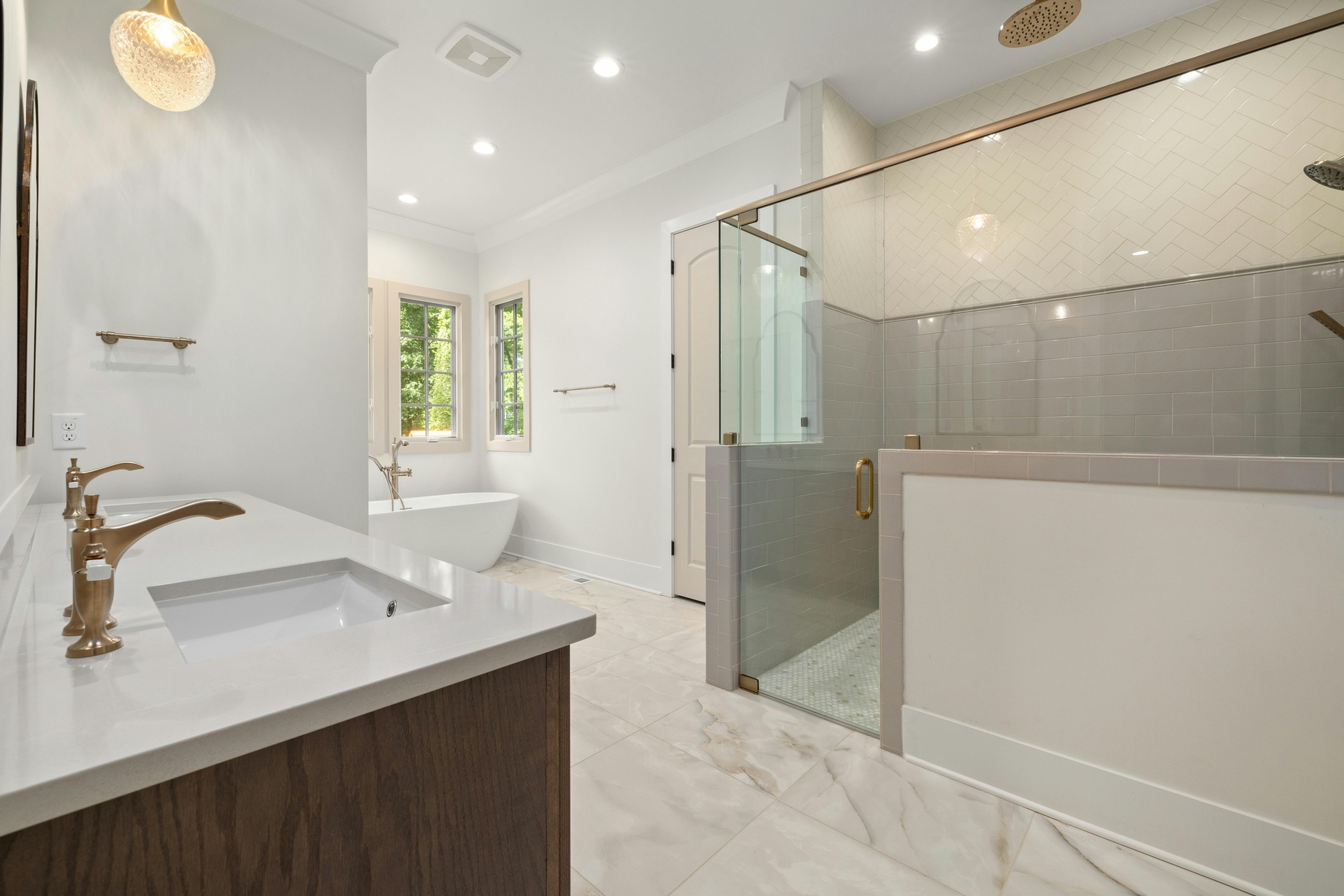
Large format tiles have gained tremendous popularity, with sizes reaching 48 inches and beyond. These expansive surfaces minimize grout lines, creating sleeker appearances that make spaces feel larger. However, using exclusively large tiles can feel monotonous. Introducing smaller accent tiles or borders creates visual breaks that enhance overall design impact.
Hexagonal tiles have experienced a remarkable resurgence, appearing in everything from entry foyers to bathroom floors. Their geometric nature creates inherent visual interest, and combining different sized hexagons within single installations adds complexity that fascinates the eye. Transitioning from large hexagons to progressively smaller versions creates gradient effects that guide visual flow.
Mixing tile materials opens additional creative possibilities. Combining natural stone with porcelain tiles allows designers to position more expensive materials strategically while using cost-effective alternatives for larger coverage areas. The contrast between organic stone patterns and consistent manufactured tiles creates sophisticated interplay.
Pattern mixing requires thoughtful planning to avoid chaotic results. Successful installations typically establish dominant patterns covering approximately seventy percent of the floor, with accent patterns comprising the remainder. This ratio provides visual interest without overwhelming spaces or creating busy appearances that tire quickly.
Color coordination across different tile formats ensures cohesive results. Selecting tiles from the same color family but in different shapes and sizes creates unity while maintaining interest. Alternatively, using complementary colors across formats can define different zones within open floor plans.
Transitional spaces between rooms present perfect opportunities for creative tile mixing. Entryways can feature distinctive patterns that set homes apart immediately upon entering, while transitions to living spaces employ different but coordinated approaches.
Professional installation becomes particularly important when mixing tile formats. Proper layout planning ensures patterns align correctly and transitions between different tile types appear intentional rather than accidental. Experienced installers anticipate challenges and create solutions that maximize visual impact.
DESIGN FLOORS showcases extensive tile collections at our Lewisville showroom, inspiring creative combinations for homes throughout Flower Mound, Highland Village, Coppell, Argyle, and neighboring communities.


