

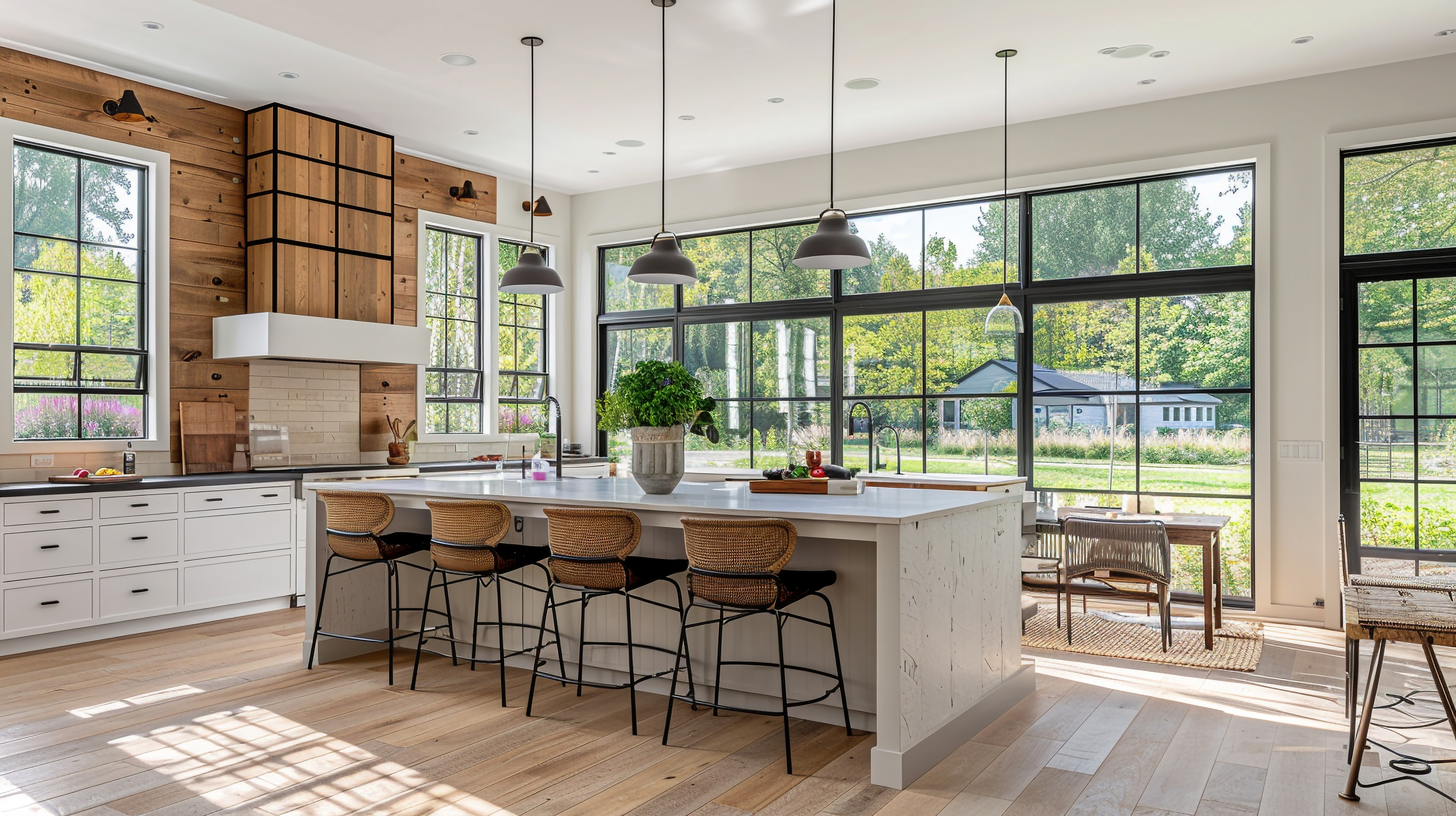
Hardwood floors have long been associated with living rooms, dining areas, and bedrooms, but more homeowners are now considering hardwood in the kitchen as well. This shift reflects changing design preferences, open-concept layouts, and advances in wood flooring construction. Still, kitchens are demanding spaces, and installing hardwood in this area comes with both advantages and trade-offs. Understanding the full picture helps homeowners decide whether hardwood floors truly belong in the heart of the home.
Why hardwood floors continue to attract kitchen remodelers
Hardwood flooring brings a level of warmth and character that few other materials can match. Natural grain patterns, rich tones, and timeless appeal help kitchens feel less utilitarian and more connected to the rest of the home. In open floor plans, hardwood allows seamless transitions between rooms, creating a cohesive and visually expansive space.
Beyond aesthetics, hardwood floors are also seen as a long-term investment. Real wood flooring often contributes to higher resale value, especially when installed professionally and maintained correctly. Many buyers view hardwood as a premium feature, even in kitchens, making it an appealing option for those planning ahead.
The visual advantages hardwood offers in kitchens
Hardwood floors soften the look of kitchens filled with cabinetry, stone countertops, and stainless steel appliances. The organic texture of wood balances sleek surfaces and helps prevent the space from feeling overly sterile. Lighter wood tones can brighten smaller kitchens, while darker species create a dramatic, high-end feel.
Design flexibility is another major benefit. Hardwood pairs effortlessly with a wide range of styles, from traditional and farmhouse kitchens to modern and transitional designs. Stain options, plank widths, and installation patterns allow customization without overwhelming the space.
Durability and longevity in a high-traffic area
One of the most common concerns about hardwood in kitchens is durability. Kitchens experience constant foot traffic, dropped utensils, rolling chairs, and heavy appliances. Quality hardwood, when properly installed and finished, can handle these demands better than many expect.
Solid hardwood can last for decades, and engineered hardwood adds additional stability thanks to its layered construction. Surface scratches and wear marks can often be refinished rather than replaced, extending the floor’s lifespan well beyond many alternative materials.
Comfort and underfoot warmth compared to tile
Hardwood floors offer a more forgiving surface than tile or stone. Standing for long periods while cooking or cleaning feels easier on joints, and the natural warmth of wood is more comfortable underfoot, especially during colder months. This comfort factor plays a significant role in why many homeowners lean toward hardwood when renovating their kitchens.
Moisture concerns and spill-related risks
Despite its many strengths, hardwood flooring does have vulnerabilities, particularly when it comes to moisture. Kitchens are prone to spills, splashes, and humidity fluctuations. Water left standing on hardwood can lead to warping, swelling, or discoloration if not addressed promptly.
This risk does not automatically rule out hardwood, but it does require awareness and proactive habits. Prompt cleanup, proper sealing, and the use of mats near sinks and dishwashers are essential for minimizing moisture-related damage.
Maintenance expectations homeowners should consider
Hardwood kitchen floors demand more care than tile or luxury vinyl. Regular sweeping helps prevent grit from scratching the surface, while periodic refinishing may be needed over time to maintain appearance and protection. Cleaning products must be chosen carefully to avoid damaging the finish or leaving residue.
For busy households, this maintenance requirement can feel like a drawback. However, many homeowners view the upkeep as a worthwhile trade-off for the beauty and longevity hardwood provides.
Cost factors and budget planning
Hardwood flooring typically comes with a higher upfront cost compared to laminate or vinyl options. Material prices vary by species, grade, and construction type, and professional installation is essential to ensure proper performance in a kitchen environment.
That said, hardwood’s long lifespan and ability to be refinished often balance the initial investment over time. For those prioritizing long-term value over short-term savings, hardwood remains a compelling option.
When hardwood floors make the most sense in kitchens
Hardwood floors work best in kitchens where moisture exposure is managed and professional installation is prioritized. Homes with open layouts, consistent indoor climate control, and owners committed to regular maintenance tend to see the greatest success with hardwood kitchen floors.
Engineered hardwood can be an especially practical choice, offering improved dimensional stability while maintaining the look of real wood. Choosing the right finish, plank construction, and installation method plays a critical role in long-term performance.
Weighing the pros and cons for confident decisions
Installing hardwood floors in kitchens is not a one-size-fits-all decision. The visual appeal, comfort, and resale value are strong advantages, while moisture sensitivity and maintenance requirements require thoughtful consideration. When selected carefully and installed by trained professionals, hardwood can perform beautifully in kitchens for many years.
For homeowners seeking a balance of elegance and functionality, hardwood remains a viable and attractive option—especially when paired with expert guidance and proper care.
Talk with flooring experts about kitchen-ready hardwood options
Design Floors is a trusted flooring company serving Lewisville, Flower Mound, Coppell, Corinth, Highland Village, and Argyle, TX. Our flooring experts help homeowners explore hardwood options designed for kitchen performance, offering free on-site estimates, professional installation, and industry-approved training that protects manufacturer warranties. Visit our showroom or schedule a consultation to confidently plan a kitchen flooring upgrade backed by quality, service, and satisfaction.


