

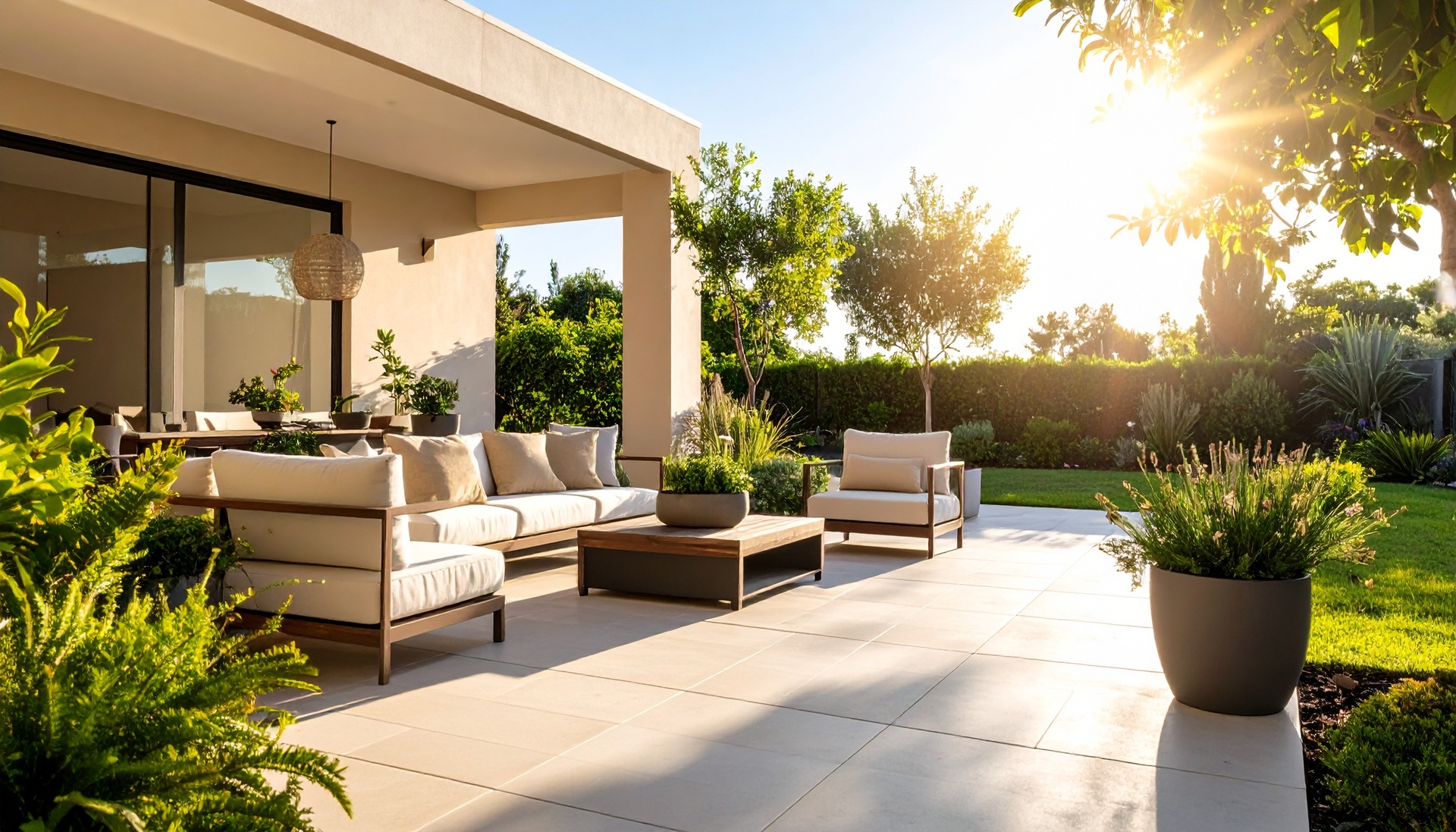
Tile buyers today notice details that once flew under the radar. Edge finish is one of those details. Rectified tile edges, with their clean, machine-cut precision, create an immediate visual difference that feels modern, intentional, and high-end. Even without knowing the technical term, many buyers instinctively gravitate toward these tiles because they “look better” in finished spaces. That reaction is not accidental. Rectified edges change how tile surfaces align, how grout lines appear, and how entire rooms are perceived.
What rectified tile edges actually are
Rectified tiles are mechanically finished after firing to ensure each piece has extremely consistent dimensions and sharp, straight edges. Unlike standard tiles, which may vary slightly due to kiln movement and natural shrinkage, rectified tiles are cut to uniform size. This allows them to be installed with tighter grout joints and cleaner transitions.
That precision is why rectified edges feel refined. Lines stay straight. Patterns stay crisp. Floors and walls read as intentional surfaces rather than collections of individual tiles.
Why buyers notice rectified edges immediately
Most buyers respond visually before they understand construction details. Rectified tile edges create narrow, even grout lines that keep the focus on the tile surface rather than the spacing between pieces. The result feels calmer, sleeker, and more architectural.
This effect is especially noticeable in larger installations, which is why buyers often start comparing finishes and layout options early while browsing a flooring company’s showroom products and materials in one place.
The role grout lines play in perceived quality
Grout lines are one of the biggest giveaways of tile quality. Wide or uneven joints can interrupt a design, no matter how beautiful the tile itself may be. Rectified tiles allow for tighter grout spacing, which reduces visual noise and gives surfaces a more seamless appearance.
This is especially impactful in large-format tile installations. When paired with rectified edges, large tiles create expansive surfaces that feel closer to natural stone slabs. Buyers often associate this look with custom builds and higher-end interiors.
Modern design trends favor precision
Contemporary interiors lean toward clean lines, minimal transitions, and uncluttered surfaces. Rectified tile edges align perfectly with these preferences. Whether used on floors, shower walls, or backsplashes, they complement modern cabinetry, floating vanities, and open-concept layouts.
The same “clean-line” mindset is why many homeowners also explore tight-joint looks in stone applications, especially after reading through natural stone flooring information and comparing how grout lines change the finished effect across surfaces.
How rectified edges elevate both walls and floors
Rectified edges are not limited to one application. On floors, they create uniform walking surfaces with a streamlined look. On walls, they allow tile to function almost like a continuous finish rather than decorative cladding.
In bathrooms and kitchens, rectified tiles installed with careful layout planning create spa-like results. When paired with neutral grout tones, the surface reads as cohesive and intentional rather than busy or broken up.
Installation expertise matters more with rectified tile
The same precision that makes rectified tiles attractive also demands skilled installation. Tight grout joints leave little room for error, which means subfloor preparation, layout accuracy, and leveling techniques are critical.
This is why rectified tile installations are best handled by trained professionals who understand tolerances and surface preparation. When installed correctly, the finished result looks refined and long-lasting.
Buyers associate rectified edges with long-term value
Today’s buyers think beyond immediate aesthetics. Rectified tile edges suggest durability, careful craftsmanship, and attention to detail. These qualities translate into perceived long-term value, especially in kitchens, bathrooms, and main living areas.
Because rectified tiles support timeless layouts and neutral palettes, they age gracefully. Buyers recognize that these surfaces are less likely to look dated compared to heavily patterned or wide-grout installations.
Why rectified tile stands out in resale situations
Homes with rectified tile installations often photograph better and show cleaner lines during walkthroughs. The subtle refinement may not be consciously identified, but it influences overall impressions.
In competitive markets, small visual advantages matter. Rectified tile edges contribute to a polished look that helps properties feel updated, even years after installation.
The design difference buyers may not name, but always notice
Rectified tile edges succeed because they remove distractions. Straight lines, narrow joints, and uniform surfaces allow materials and layouts to speak for themselves. Buyers may not walk in asking for rectified tile by name, but they consistently respond to the elevated look it creates.
That immediate visual clarity is why rectified tile edges continue to stand out to today’s buyers.
Schedule a tile consultation today!
We help homeowners choose and install surfaces that deliver clean lines, lasting performance, and a polished finish. Reach out through our contact and showroom information to get started with our flooring experts.


