

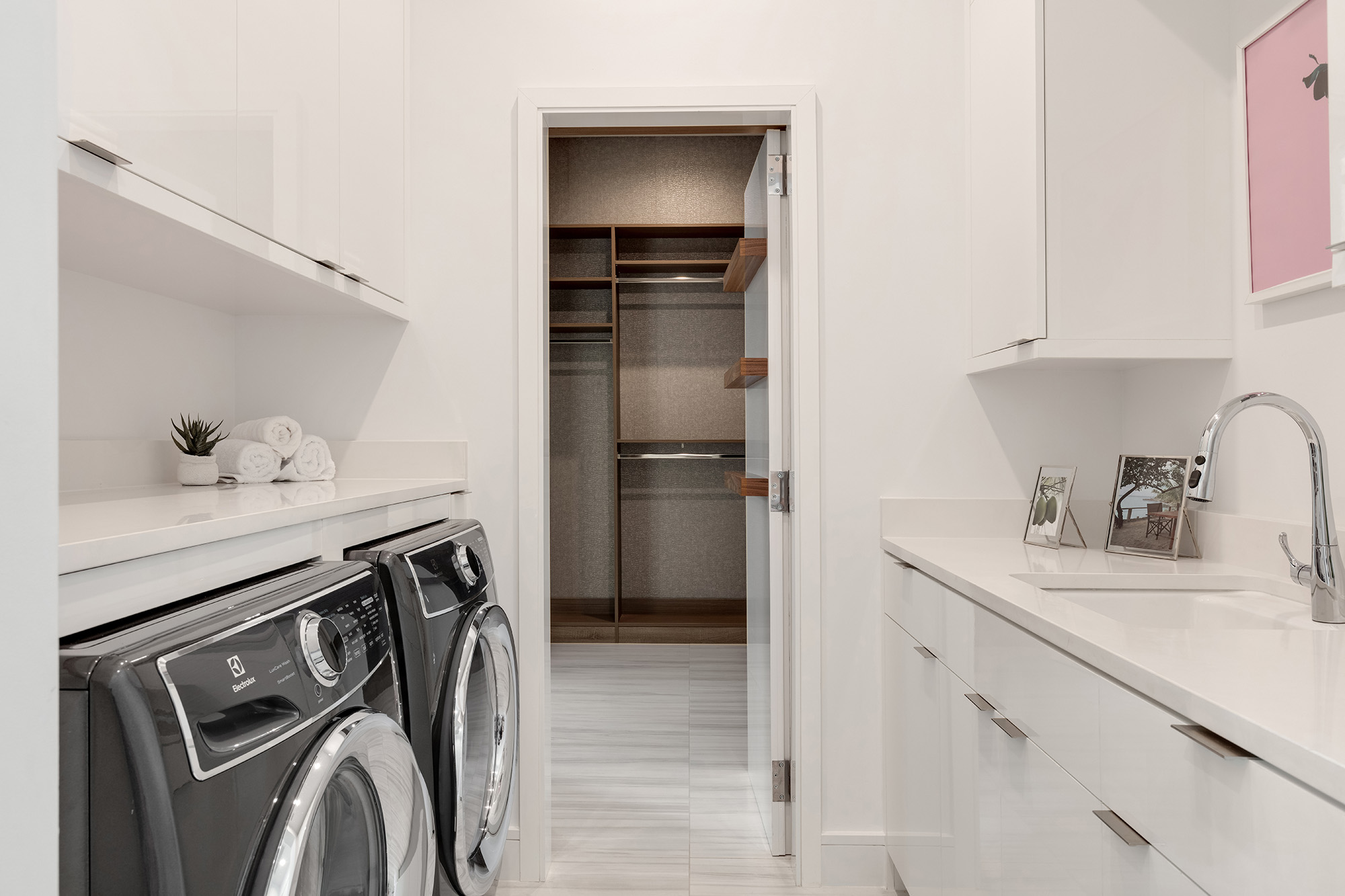
Some of the busiest spaces in a home are also the easiest to overlook. Mudrooms, laundry rooms, and secondary entrances handle wet shoes, pet paws, dripping umbrellas, overflowing laundry baskets, and the everyday mess that comes with a busy household. Although these areas may not be the first rooms guests notice, their flooring can make a significant difference in how comfortably a home functions.
For homeowners in Flower Mound, TX, tile flooring offers an opportunity to create hardworking utility spaces that still feel thoughtfully designed. Instead of choosing a floor simply because it seems practical, consider how tile color, surface texture, pattern, grout, and transitions can work together to make these rooms attractive and easier to maintain.
Why Mudrooms and Laundry Rooms Deserve Better Flooring
A mudroom acts as a buffer between the outdoors and the rest of the home. Shoes bring in dust, soil, grass, and moisture, while backpacks, sports equipment, and pet accessories can quickly make the room feel crowded. A laundry room faces a different set of demands, including occasional spills, detergent splashes, and water around utility sinks or washing machines.
Tile is worth considering for these spaces because many ceramic and porcelain products provide a durable surface that can be cleaned with appropriate products. The best selection depends on the conditions in the room, the tile's intended application, the installation system, and the manufacturer's care instructions.
It is important to choose a tile suitable for the way the space will be used. A decorative wall tile, for example, should not automatically be assumed to be appropriate for a frequently wet floor. Review the product specifications, surface characteristics, and slip-resistance information before making a decision.
Choose a Surface That Works With Wet Shoes and Busy Routines
In a mudroom, the flooring may encounter moisture and dirt throughout the day. A very smooth, polished surface may look refined, but it may not be the most appropriate choice for an area where people frequently enter with wet footwear. Consider a finish intended for floor use and review the manufacturer's guidance for the conditions in which it can be installed.
Textured or matte tile can provide a different underfoot experience from a glossy surface, but appearance alone does not establish how slip-resistant a floor will be. Ask about the product's performance information and think about how the room will be used when it is wet. Mats and prompt cleanup can also help manage everyday moisture.
For laundry rooms, consider whether the space includes a utility sink, floor drain, or other source of regular moisture. The floor, perimeter details, and installation system should be planned around the room's actual conditions. Tile should not be treated as a substitute for a properly designed waterproofing system where one is required.
Explore the available styles through the tile selection at Design Floors to compare colors, finishes, and patterns for a utility space that needs to work as hard as the rest of your home.
Use Tile Color to Make Everyday Dirt Less Noticeable
Choosing a floor color is not only a matter of personal taste. It can also influence how noticeable dust, lint, dried water marks, and tracked-in dirt appear between cleaning sessions.
Very dark tile can create a dramatic look, although light-colored dust or pet hair may stand out against it. Very light tile can brighten a small laundry room, but certain types of soil may be easier to see. Midtone gray, warm beige, taupe, and stone-inspired colors can offer a balanced alternative, depending on the tile's pattern and finish.
Tile with gentle tonal variation may be more forgiving visually than a completely uniform surface. Subtle variation can also give a utility room more depth without introducing an elaborate pattern. The goal is not to hide dirt permanently; it is to choose a finish that looks appropriate and fits the amount of maintenance you can realistically manage.
Before settling on a color, compare samples with the cabinetry, wall paint, storage units, and nearby flooring. Review them in the room's actual lighting because a tile that looks warm in a showroom may appear cooler under different bulbs or in a space with limited natural light.
Make a Small Mudroom Feel More Organized With Tile Layout
A small entry area can become a design feature when its flooring is planned around the shape of the room. Square tile can create a traditional, orderly look, while rectangular formats can emphasize the length or width of a narrow space. A patterned tile can add personality without requiring additional decorative objects.
Consider the relationship between the tile layout and the doorway. The first full tiles visible when someone enters can affect how balanced the floor appears. Planning the layout before installation helps avoid awkwardly narrow cuts near prominent edges and allows the installer to consider how the pattern meets the surrounding walls.
If the mudroom connects to a hallway or kitchen, plan the transition between the two flooring materials in advance. Differences in thickness can affect the finished height, while poorly positioned transitions may interrupt the visual flow. A coordinated color palette can help connect the rooms without requiring the floors to match exactly.
For a more understated design, use a neutral tile and let the cabinetry, bench, hooks, and baskets add character. If the surrounding finishes are simple, a more distinctive tile pattern can become the main decorative element.
Design a Laundry Room That Feels Finished
Laundry rooms often become catch-all spaces, but the right design can make routine tasks feel more organized. Tile flooring can serve as the foundation for a coordinated combination of cabinets, open shelves, a folding counter, and concealed storage.
Warm neutral tile can complement white cabinets and natural wood accents, creating a welcoming appearance without making the room feel overly decorative. A darker tile can establish contrast beneath pale cabinetry, while a stone-inspired design can introduce texture without requiring actual stone throughout the room.
Think about how the floor will look alongside the washer, dryer, utility sink, and storage units. Appliance placement can affect where tile cuts fall and whether the final pattern appears balanced. Measurements taken before installation can help the installer plan around fixed fixtures and avoid unnecessary visual interruptions.
Lighting should also be considered. Laundry rooms may rely heavily on overhead fixtures, which can make certain finishes appear different from how they look in natural light. Compare tile samples under the lighting that will be used in the finished room whenever possible.
Choose Grout With Maintenance in Mind
Grout is an important part of the finished appearance. A grout color close to the tile can create a more continuous look, while a contrasting color emphasizes the layout and gives each tile more definition.
For a busy mudroom, homeowners may prefer a grout color that complements the tile without making every joint a prominent feature. In a patterned floor, a coordinated grout can help the design remain balanced. In a simple layout, contrast can add definition if that is the intended effect.
Grout maintenance depends on the product selected and the manufacturer's instructions. Some grout products require sealing, while others have different care requirements. Do not assume that every grout type should be treated in the same way. Use compatible cleaning products and avoid harsh chemicals unless the manufacturer confirms they are suitable.
Proper installation matters just as much as grout color. The substrate must be suitable, the tile must be installed using compatible materials, and movement joints and transitions should be handled according to the applicable installation guidance. These details help create a finished floor that performs as intended.
Plan for Pets, Children, and Everyday Storage
Households with pets or children often use mudrooms as a place to remove shoes, store sports gear, organize leashes, and clean up after outdoor activities. Flooring should be considered alongside these routines rather than as an isolated design choice.
A designated mat near the entrance can capture some dirt before it reaches the rest of the home. A bench makes it easier to remove shoes, while closed cabinets can keep clutter from spreading across the room. If pets regularly enter through the mudroom, keep cleaning supplies accessible but safely stored.
In a laundry room, leave appropriate clearance for appliances and consider how they may need to be moved for maintenance. Flooring and transitions should be planned with appliance requirements in mind. A visually attractive installation is most useful when it also accommodates the practical needs of the household.
Common Mistakes to Avoid
One mistake is choosing tile entirely from a photograph. Online images rarely show how a surface feels underfoot or how its color changes under different lighting. Whenever possible, inspect physical samples and review the manufacturer's technical information.
Another mistake is assuming that every tile is suitable for a wet utility area. Confirm the intended application and ask about surface characteristics, cleaning requirements, and installation conditions before making a final choice.
Homeowners should also avoid leaving transition details until the end of the project. The relationship between tile height and neighboring flooring can affect both appearance and usability. Planning these details early helps the entire space feel deliberate and complete.
Create a More Practical and Polished Utility Space
A mudroom or laundry room may be designed around everyday chores, but that does not mean it has to feel like an afterthought. With the right tile, carefully considered layout, coordinated grout, and practical storage, these hardworking spaces can become cleaner-looking, more organized parts of the home.
Homeowners in Flower Mound, Highland Village, Coppell, Argyle, and Lewisville, TX, can begin exploring suitable options by visiting the tile flooring collection at Design Floors. To discuss your project and take the next step toward a well-planned utility room, contact Design Floors. Thoughtful material choices can help even the busiest corners of your home look finished while supporting the routines that happen there every day.


