

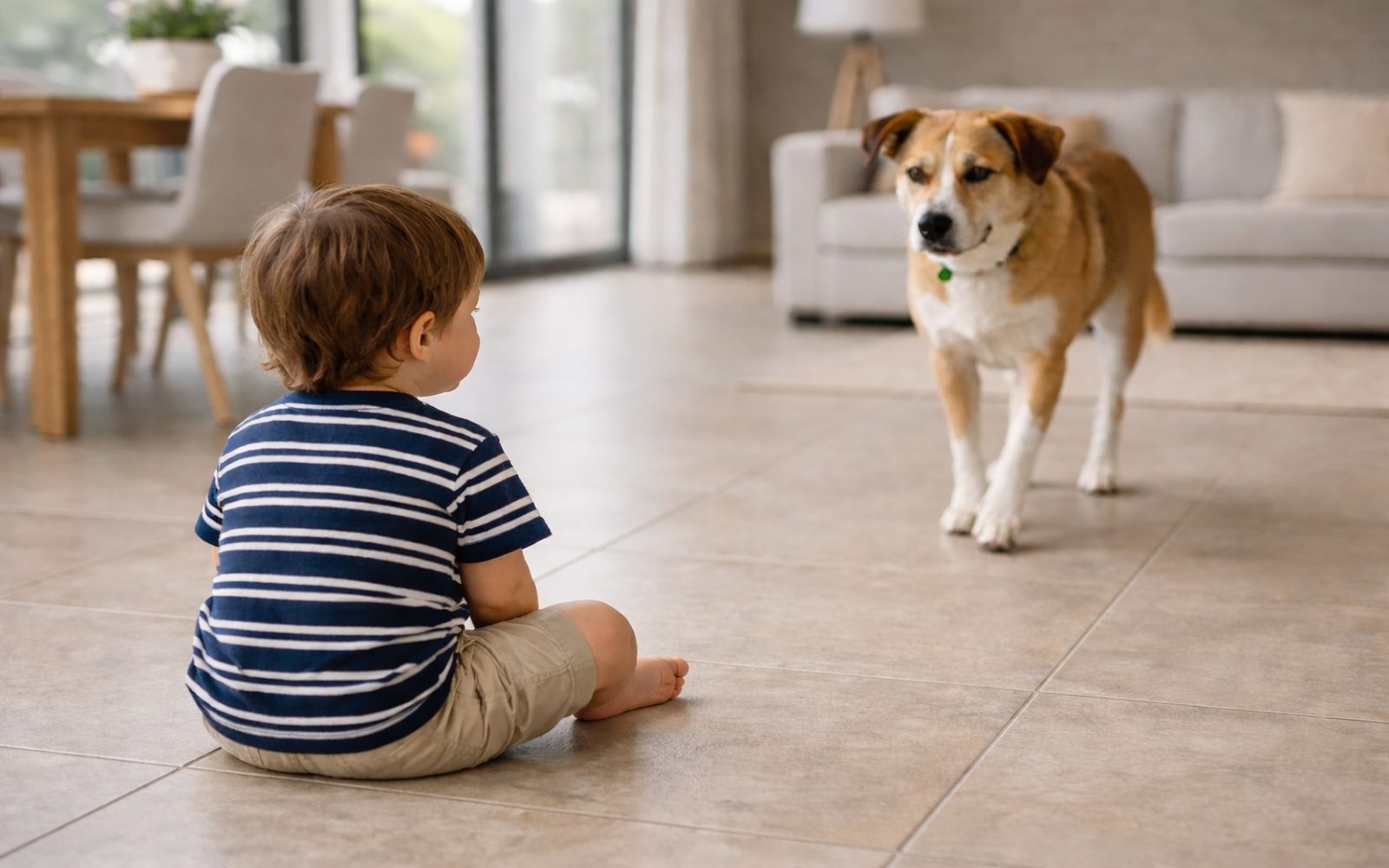
Tile flooring has long been a favorite for busy households thanks to its durability, easy maintenance, and timeless style. For homes with kids and pets, however, there’s another factor that matters just as much as appearance: slip resistance. Slips and falls are one of the most common causes of household injuries, especially in kitchens, bathrooms, entryways, and laundry rooms. Understanding tile flooring slip ratings helps create safer spaces without sacrificing design.
Slip ratings can sound technical at first, but once broken down, they become a powerful tool for making smarter flooring decisions—especially in family homes where spills, wet paws, and playful energy are part of daily life.
What slip resistance actually means in real homes
Slip resistance refers to how much grip a tile surface provides underfoot. In real-world terms, it’s how confident feet feel when walking on the floor, whether it’s dry, damp, or wet. Tiles with higher slip resistance reduce the chance of sudden slips when kids run through the kitchen or pets dash in from outside.
Not all tile surfaces behave the same way. A polished tile that looks sleek in a showroom may feel slick in a bathroom, while a textured or matte tile can offer much better traction once installed.
Understanding COF and DCOF ratings
Slip resistance is commonly measured using the coefficient of friction, or COF. Older tiles were often rated using static COF, but modern standards focus on dynamic COF (DCOF), which better reflects how people actually move across a floor.
DCOF measures the friction between a moving object—like a foot—and the tile surface. According to industry guidelines, tiles intended for level interior spaces exposed to moisture should meet a minimum DCOF rating of 0.42 when wet. This benchmark helps identify tiles that are better suited for active households.
Why DCOF matters for kids and pets
Children and pets rarely walk cautiously. They run, jump, and change direction quickly, increasing the risk of slipping on smooth surfaces. A tile with an appropriate DCOF rating helps provide added stability during those sudden movements.
For pets, especially dogs, slip resistance plays a role in joint health. Floors that are too slick can cause pets to slide, leading to muscle strain or long-term mobility issues. Choosing tiles with better traction supports both safety and comfort for four-legged family members.
Tile finishes and their impact on slip resistance
The finish of a tile dramatically affects how slippery it feels. Polished tiles reflect light beautifully but tend to have lower slip resistance, making them better suited for low-traffic, dry areas. Matte tiles offer a softer look and more grip, making them a popular choice for family-friendly spaces.
Textured tiles, including those with subtle surface variations or stone-like finishes, often provide the highest level of traction. These are especially effective in bathrooms, mudrooms, and laundry areas where water is common.
Wet areas vs. dry areas in the home
Slip ratings should always be considered based on where the tile will be installed. Bathrooms, kitchens, and entryways experience frequent moisture, so tiles in these areas benefit from higher DCOF ratings. Living rooms and bedrooms, while still active spaces, may not require the same level of slip resistance.
Exploring different surface options available through professional tile flooring solutions helps align safety needs with the function of each room.
Balancing safety with style
A common misconception is that safer tiles mean sacrificing design. Today’s tile options prove otherwise. Wood-look tiles, stone-inspired finishes, and contemporary patterns are available in slip-resistant surfaces that blend seamlessly into modern interiors.
With the right guidance, it’s possible to choose tiles that complement décor while still providing peace of mind. Detailed resources on tile flooring materials and performance make it easier to compare finishes, textures, and ratings before making a final selection.
Additional safety considerations beyond ratings
While slip ratings are essential, they work best when paired with proper installation and maintenance. Correct grout selection, appropriate spacing, and professional installation all influence how a tile performs underfoot. Regular cleaning also matters—soap residue or buildup can reduce traction over time, even on slip-resistant tiles.
Area rugs with non-slip backings in high-traffic zones and entry mats near doors can further enhance safety, especially during rainy weather.
Choosing the right tile for long-term peace of mind
Selecting tile flooring for a home with kids and pets is about thinking beyond today’s needs. As children grow and pets age, having floors that support stability becomes even more important. Slip ratings provide a measurable way to prioritize safety without guessing.
By understanding DCOF values, finishes, and room-specific needs, safer flooring choices become clearer—and far more confident.
Schedule a safety-focused flooring consultation
For households looking to create safer, family-friendly spaces, professional guidance makes all the difference. Our flooring experts help evaluate slip ratings, finishes, and layouts to match real-life needs. To discuss tile options or schedule a free on-site estimate, connect through the contact us page and start planning with confidence.


