

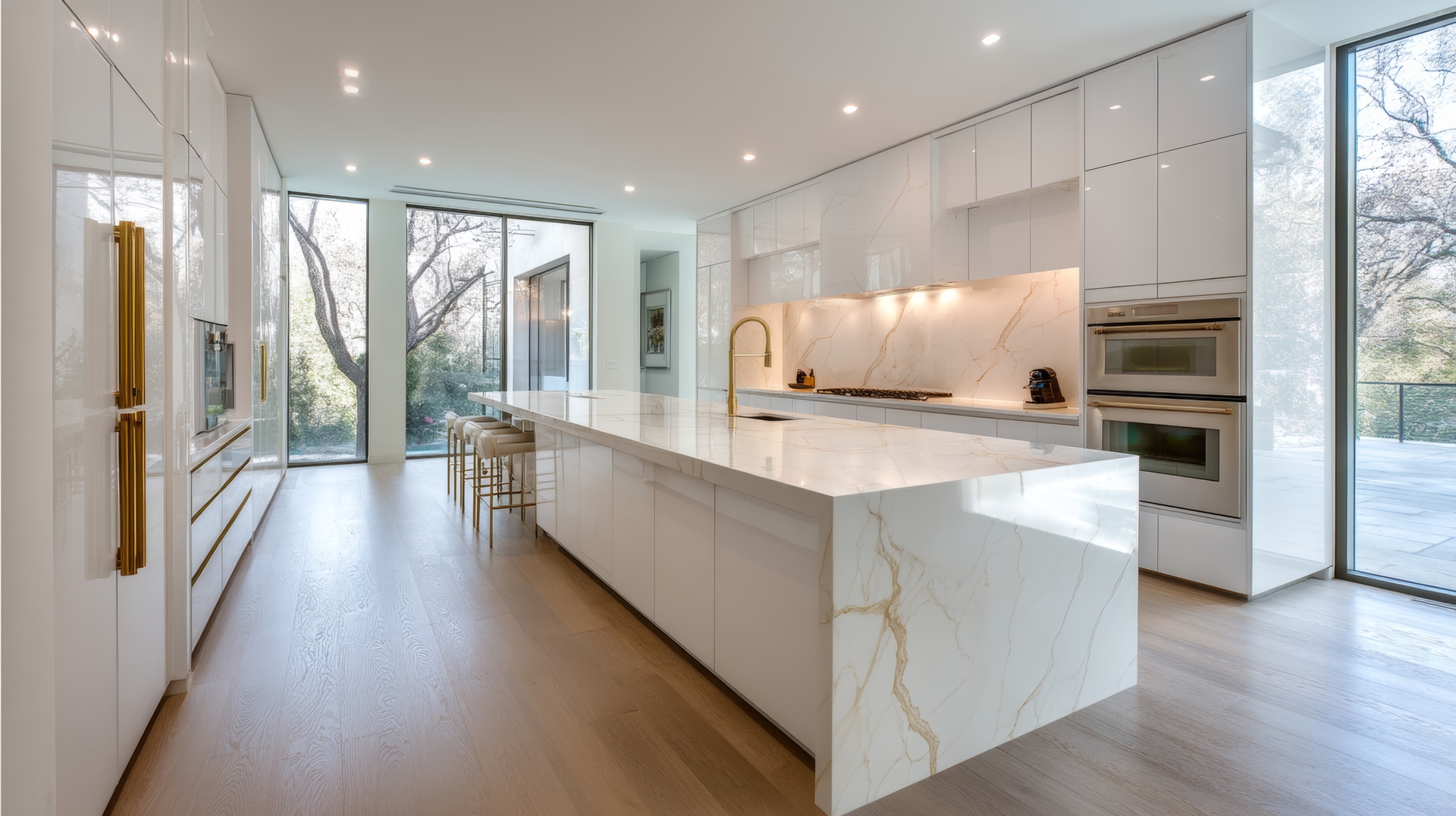
Luxury vinyl plank (LVP) flooring has become one of the most popular choices for homeowners thanks to its incredible durability, realistic textures, and wide range of color options. But as design trends continue to evolve, the biggest decision isn’t just about plank size or finish—it’s about choosing the right warm or cool tone to complement the home’s style. Each tone brings its own personality, mood, and design direction, and the right choice can completely transform any room.
Understanding what sets warm and cool LVP tones apart
Warm and cool tones work differently in interiors, and understanding the basics helps create a balanced, stylish space.
Warm tones include honey browns, golden oak, caramel, wheat, beige, and chestnut hues. These colors bring softness, comfort, and a cozy atmosphere.
Cool tones include greys, taupes, driftwood, ash, whitewashed planks, and muted stone-inspired shades. These colors create a sense of calm, spaciousness, and modern appeal.
The key is to look at undertones. Even planks labeled “neutral” may lean slightly warm or cool depending on the grain pattern, lighting, and surrounding finishes.
How warm-toned LVP enhances your living spaces
Warm-toned LVP is the go-to choice for homeowners who want an inviting, comfortable atmosphere. These shades bring out richness and character and often work beautifully in traditional, rustic, Mediterranean, farmhouse, or transitional interiors.
Why warm tones feel naturally welcoming
Warm tones mimic the richness of natural hardwood, which gives any room a grounded, familiar feeling. They soften harsh lines, reduce starkness, and add dimension to open spaces.
These tones are especially effective in:
Living rooms, where families gather
Bedrooms, where softness and comfort matter
Dining rooms, where warm hues encourage socializing
Homes with large windows, as sunlight enhances warm undertones
Warm flooring pairs effortlessly with cream, beige, tan, terracotta, sage, olive, navy, and off-white decor palettes. If the home features wood furniture pieces in warm stains, warm-toned LVP ties everything together harmoniously.
When warm tones make a strong design statement
Patterns such as distressed oak, hand-scraped textures, or reclaimed wood visuals in warm shades elevate rustic charm. Wide planks with golden undertones can make larger rooms feel more elegant and refined, while lighter warm tones brighten smaller spaces without overpowering them.
The beauty of cool-toned LVP in modern homes
Cool-toned LVP continues to trend thanks to its sleek, calming look. These colors work especially well in modern, minimalist, coastal, and Scandinavian-style interiors where simplicity and balance are key.
What makes cool tones visually refreshing
Cool tones brighten interiors but in a different way—they reflect a soft, subtle glow that makes rooms feel more spacious. Grey-based planks, for example, can neutralize strong wall colors, balance heavy furniture, and create a clean backdrop for artwork or bold décor.
Cool-toned LVP is ideal for:
Open-concept layouts, where consistency matters
Kitchens, offering a crisp, fresh foundation
Bathrooms, thanks to their spa-like appeal
Homes with metal, glass, or modern architectural features
These shades pair beautifully with charcoal, white, black, icy blues, deep greens, greige, and matte finishes.
When cool tones elevate your interior style
Stone-look LVP in cool tones brings a luxurious, contemporary feel to living and dining areas. Light grey or whitewashed planks create an airy, coastal vibe—perfect for homeowners who love relaxed, beach-inspired interiors. Cooler oak variations with hints of taupe or silver are also excellent for achieving a balanced, neutral backdrop.
How to choose the right tone based on your home’s lighting
Lighting dramatically influences how LVP looks in any space. Before choosing a shade, consider how natural and artificial light interact with the flooring color.
Rooms with warm lighting
Warm lighting—such as soft yellow or incandescent bulbs—can enhance golden hues and make warm-toned LVP appear richer. However, it can sometimes cause cool tones to look slightly dull or flat.
Rooms with cool lighting
Cool LED lighting pairs beautifully with grey, taupe, and other cool-toned planks. It keeps the palette crisp and helps sharpen the grain patterns. Warm-toned LVP under cool lighting may appear slightly more neutral or muted.
Natural lighting throughout the day
Daylight shifts constantly, affecting both warm and cool tones differently:
Morning light may brighten cooler hues.
Afternoon sunlight enhances warm planks.
Evening shadows can deepen both warm and cool woods.
Testing sample planks at different times of day helps ensure the color feels right around the clock.
Tips for mixing warm and cool tones in the same home
Design doesn’t have to be an “either/or” choice. Many homeowners successfully mix warm and cool tones for a balanced, layered look.
Here’s how to blend tones without clashing:
Keep one tone dominant and use the other as an accent.
Choose a transition tone like greige for flexible pairing.
Coordinate with wall colors and furniture undertones.
Maintain consistent plank width and texture across rooms for flow.
The goal is harmony. When the color palette feels cohesive, the flooring becomes a versatile foundation for any décor style.
Let our experts help match the right LVP palette to every room in your home
Warm tones add comfort. Cool tones add clarity. Both offer long-lasting beauty for modern homes. The right choice depends on the home’s style, architecture, lighting, and desired mood. With LVP’s variety of realistic finishes and trending shades, every homeowner can find a palette that perfectly suits their space.
For homeowners in Lewisville, Flower Mound, Coppell, Corinth, Highland Village, and Argyle, Design Floors is here to help bring every design vision to life. Visit our showroom or schedule a free in-home estimate to explore warm and cool LVP options with guidance from our flooring experts. Let our team help create a space that feels truly complete. Contact us today!


